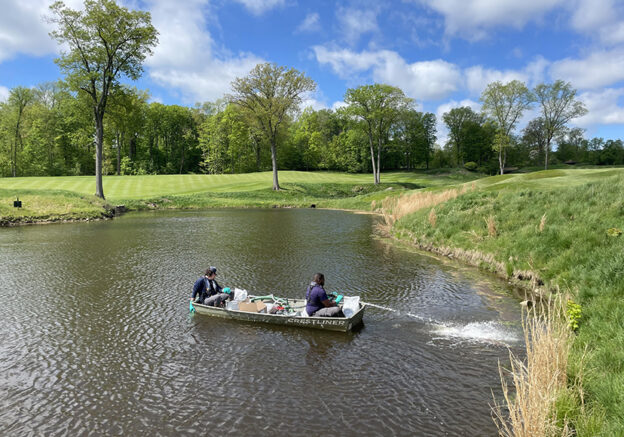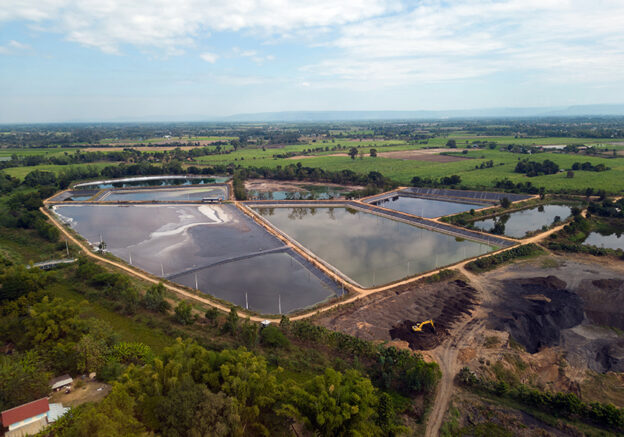
Author Archives: oaselaketherapy

Lagoon Treatment Solutions for Municipal Wastewater 

A Smarter Way to Restore Functionality—Without Dredging.
At Oase Lake Therapy, we understand the realities faced by wastewater professionals who manage lagoon systems. Whether you’re dealing with excessive sludge accumulation, nutrient overloading, or dwindling retention capacity, traditional options like dredging are expensive and disruptive. 

We believe there’s a better path forward.

We Understand Lagoon System Challenges
Managing municipal lagoons means balancing performance, budgets, and regulatory compliance—all while minimizing downtime. Over time, lagoons fill with organic sludge, lose treatment efficiency, and risk odor complaints or violations. We’ve listened to operators, engineers, and plant managers who are looking for smarter, more sustainable alternatives.

Benefits of a Biological Approach
Our solution addresses the root cause of sludge and nutrient issues—organically and efficiently. 

Reduce Sludge Volume
Breaks down and mineralizes organic sludge without mechanical dredging. 

Restore Treatment Capacity
Free up space and extend the time between dredging. 

Improve Water Quality
Reduce internal nutrient loading and help meet permit requirements. 

Minimize Disruption
No shutdowns. No hauling. No odor spikes. 

Cost-Effective & Scalable
Apply as needed across cells or systems of any size.

Our Solution: SchlixX Plus
SchlixX Plus is a proven sludge reduction treatment that combines oxygen release with powerful microbes to break down organic matter and bind excess nutrients like phosphorus. Applied to over 1,000 ponds with consistently strong results, SchlixX Plus helps reduce organic sludge, improve water clarity, and enhance overall system performance—all without the need for dredging or draining. It’s easy to apply, safe for fish and aquatic life, and works below the surface where sludge problems start. With long-lasting results and improved nutrient balance, SchlixX Plus supports a healthier, more sustainable aquatic environment. 

Need Help With Application?
We’ve built a network of trained partner applicators who understand the nuances of municipal lagoons. From initial dosing strategies to seasonal maintenance plans, our team can support you every step of the way. 

Real Results: Proven in Germany and North America
In Germany, SchlixX Plus has been used successfully in municipal lagoons, drastically reducing sludge layers while maintaining compliance. In the U.S., our product has already shown significant sludge volume reduction in municipal lagoons, stormwater and lake management applications—delivering results in weeks, not years. 

>>LEARN MORE ABOUT OUR LAGOON TREATMENT SOLUTIONS FOR WASTEWATER

Be Part of What’s Next
We’re building a new generation of wastewater lagoon case studies in North America—and we’re inviting you to be part of it. Early adopters benefit from personalized treatment plans, application support, and featured case study opportunities. 

Want to be part of something new?
We’re actively seeking municipal partners to join our growing network of success stories. Become an Early Adopter! >>Contact us today to schedule a site review or request a treatment estimate. 
Maxed Out—Nutrient Management Reimagined: Your Webinar Questions Answered

In our latest Maxed Out webinar, we explored how nutrients drive water quality issues and discussed how SeDox Max is revolutionizing the industry. While we covered many of your questions during and after the session, our experts have compiled this follow-up to address the most frequently asked questions.

Dosing & Cost
Q: What are the recommended use rates and application methods? How do we calculate dosage from TP/FRP and sediment P levels?

A: SeDox Max is dosed based on Total Phosphorus (TP), since all of it eventually cycles into Soluble Reactive Phosphorus (SRP). The best time to apply is when SRP makes up the highest percentage of TP—typically in early spring, post-biocide treatments, or late season. Costs vary by site and phosphorus load, but it’s most accurate to calculate cost per pound of phosphorus removed.

Product Comparisons
Q: How do Oase solutions like SeDox compare with lanthanum-based products in performance, longevity, safety, and cost?

A: SeDox Max blends lanthanum with the original SeDox formulation, giving it two permanent binding mechanisms: forming hydroxyapatite and rhabdophane. With a capacity of 1.5 lbs (450 g) of phosphorus per 50 lb bag (30 g P/kg), it outperforms most lanthanum-only products. Phosphorus is locked in a mineral form, permanently removing it from the cycle.

Unlike many alternatives, all components in SeDox Max are active—delivering alkalinity, oxygen release, microbial support, and overall water quality improvements. There are no inert fillers.

Scaling & Implementation
Q: How should operators managing multiple lakes integrate these products into their plans?

A: There are two common approaches:
1. Pond Reset: Apply the full required dose in one treatment to immediately bind available phosphorus.

2. Seasonal Maintenance: Divide the dose into smaller applications throughout the year to gradually reduce nutrient loads.

>>CLICK TO WATCH THE WEBINAR RECORDING


Effectiveness, Ingredients & Longevity
Q: How effective are Oase Lake Therapy products, how do they work, and how long do results last?

A: Oase lake therapy products: SeDox, SeDox Max, SchlixX, and SchlixX Plus are mineral-based solutions that bind nutrients, boost oxygen, and accelerate sediment cleanup.

Active Ingredients: All products use calcium peroxide, which release oxygen for up to 8 weeks and is able to bind FRP in the insoluble mineral hydroxyapatite. SeDox Max adds lanthanum to enhance phosphate binding, forming stable mineral rhabdophane. SchlixX Plus also contains eight strains of beneficial bacteria to speed up organic matter breakdown.

How They Work: Oxygen release stimulates aerobic bacteria in sediments, binds phosphorus, breaks down hydrogen sulfide (reducing odors), and improves water clarity by degrading organics.

Real-World Results:
• Immediate increase in dissolved oxygen
• Up to 99% reduction in phosphate and >85% reduction in total phosphorus (TP)
• Average 15% sediment organic matter reduction (up to 35%)
• Sediment depth declines 15 cm, or 6 in, per dose (up to 79 cm, or 31 in)

Longevity: Results typically last several years, depending on external nutrient inputs; with proactive maintenance dosing, benefits can extend up to 8 years

Best Practices to Reduce Muck, Control Nutrients, and Maintain Lake Health (Including Timing)
Q: What are the best practices to reduce muck, control nutrients, and maintain overall lake health—including optimal timing of treatments?
A: Mechanical dredging often increases turbidity, disturbs seedbanks, and exposes nutrient-rich sediments—while also being costly. Oase products achieve the same goals more effectively and with fewer drawbacks:

Product Selection:
SchlixX Plus – Breaks down organic matter and binds phosphorus released in the process.
SeDox and SeDox Max – controls nutrients in the water column and from sediments, while adding inorganic carbon to balance C:N:P ratios, reduce excess phosphorus, and aid nitrification.

Timing: For recurring spring/summer algal blooms (often sediment-driven), apply SeDox Max in fall through early spring—when phosphorus is mostly concentrated at the sediment layer—to prevent release before the growing season.

>>CLICK TO WATCH THE WEBINAR RECORDING

Not All Calcium Phosphate Binders Are Created Equal: Why SeDox Max & SchlixX Plus Redefine Phosphorus Control

For lake management professionals, the chemistry behind phosphorus mitigation is the difference between temporary relief and long-term water quality.

When addressing phosphorus loading, many managers turn to calcium-based products like lime, calcium carbonate, or calcium silicate to bind excess nutrients. These compounds work through adsorption—phosphorus adheres to the mineral surface like a magnet.

But here’s the problem:

🌀 The bond is weak.
Redox fluctuations, pH swings, or physical disturbances (like dredging or wave action) can easily release that phosphorus back into the water column.

🕒 This leads to re-treatment cycles—increasing seasonal workload, material costs, and long-term budget strain.

SeDox Max & SchlixX Plus: A Smarter Chemistry

SeDox Max and SchlixX Plus break the cycle by transforming phosphorus into something new. Their advanced formulation reacts with phosphorus to form hydroxyapatite (Ca₅(PO₄)₃OH)—an ultra-stable mineral also found in human bones and teeth.

💡 Why hydroxyapatite?
Because once phosphorus is converted into this crystalline structure, it’s not just stuck—it’s permanently mineralized. That means no release during redox changes, no rebound with sediment disruption, and no seasonal reappearance.

Why It Matters for Lake Managers

Permanent Phosphorus Removal
No re-release. No rebound blooms. Just reliable, long-term nutrient control.

Improved Sediment Health
The calcium-peroxide core releases oxygen directly into the sediment, fueling beneficial microbes and reversing low-oxygen zones.

Lower Lifetime Costs
Fewer treatments = less product, less labor, and more value for your clients.

Healthier Ecosystems
Stabilizing phosphorus while supporting oxygen levels promotes clear water, balanced benthic life, and higher overall system resilience.

The Bottom Line

SeDox Max and SchlixX Plus offer more than phosphorus control—they create lasting change at the sediment level. By converting reactive phosphorus into hydroxyapatite and delivering oxygen where it’s needed most, they empower lake managers to deliver real, measurable water quality improvements with long-term confidence.

Restore Balance Naturally: Eco-Friendly Lake and Pond Management with Oase Lake Therapy

For community managers and municipalities, lakes and ponds are more than just scenic features—they’re shared assets that reflect the health, beauty, and environmental values of the entire community. But maintaining these waterbodies can be a challenge. Algae blooms, foul odors, cloudy water, and muck buildup not only disrupt recreational use and aesthetics, but they can also create public concern and ongoing maintenance costs.

At Oase, we believe the best water quality solutions are those that work in harmony with nature—not against it. That’s why our Lake Therapy approach is built on science-backed, non-pesticidal treatments that restore ecological balance rather than relying on chemical quick fixes. With a commitment to long-term results and environmental stewardship, Oase Lake Therapy helps communities reclaim the health and clarity of their lakes and ponds—naturally.


The Problem: A Cycle of Surface Treatments and Recurring Issues

Many communities fall into a cycle of reacting to symptoms—treating algae when it appears, clearing out weeds as they grow, or dredging when sediment becomes unmanageable. These short-term responses can be costly, repetitive, and often introduce harsh chemicals that disrupt the very ecosystems we aim to protect.

The root causes of these problems are typically nutrient overload, poor circulation, and organic buildup—conditions that create the perfect storm for algae blooms, murky water, and foul odors. To truly solve these issues, the focus must shift from temporary control to lasting prevention.

The Oase Lake Therapy Approach: Eco-Friendly, Holistic, Long-Term

Oase Lake Therapy is not a one-size-fits-all chemical treatment—it’s a tailored, ecological approach to waterbody restoration. Our solutions are designed to correct the underlying imbalances that lead to visible problems, using biological, mineral-based, and oxygenating technologies that are safe for people, pets, and aquatic life.

  1. Cut Off the Algae Food Source

Algae thrives in nutrient-rich water, particularly where excess phosphorus is present. Oase Lake Therapy binds and removes this phosphorus in a way that is safe, stable, and long-lasting—without introducing harmful residues. By targeting nutrients at their source, we break the cycle of recurring blooms without the need for pesticides or algaecides.

  1. Naturally Reduce Muck and Odors

Many ponds accumulate organic sludge over time, creating foul odors and reducing water depth. Instead of mechanical dredging, Oase Lake Therapy uses oxygen-enhancing and microbe-activating methods to naturally break down and digest this organic material in place. The result: restored depth, reduced odor, and better water quality—without disruption to wildlife or community use.

  1. Target Trouble Spots with Sustained Biological Support

Lakes and ponds often have stagnant corners, coves, or shallow shoreline areas where problems persist despite broader treatment. Oase Lake Therapy includes targeted, slow-release solutions that deliver microbial and enzymatic support exactly where it’s needed most. These areas receive consistent, low-maintenance treatment that continues working for weeks or months—reducing the need for constant reapplication or oversight.


Why Communities Trust Oase

Sustainability is more than a buzzword for today’s communities—it’s a responsibility. Oase Lake Therapy helps municipalities and HOAs meet that responsibility with solutions that:

  • Avoid the use of harsh chemicals and pesticides
  • Promote ecological balance and natural water clarity
  • Require less reapplication and long-term maintenance
  • Enhance public perception with environmentally responsible practices
  • Work quietly, safely, and effectively in public spaces

From golf course ponds and stormwater basins to centerpiece community lakes, our system-level approach ensures every waterbody is addressed thoughtfully and thoroughly—with tools designed to restore and sustain natural function.


A Healthier Future for Your Water

Your community’s water features should be assets—not ongoing headaches. Oase Lake Therapy gives you the tools to solve problems at the source, eliminate reliance on chemical treatments, and restore beauty, clarity, and health to your lakes and ponds for the long term.

If you’re looking for an eco-friendly, science-based alternative to traditional pond management, Oase is ready to help you build a custom plan that works for your community—and your values.

Ready to get started? Contact us today to explore how Oase Lake Therapy can help restore your water, naturally.

Beyond Quick Fixes: Sustainable Lake and Pond Management with Oase Lake Therapy

Experienced lake and pond managers and golf course superintendents understand the complexity of aquatic ecosystems. While surface symptoms like algae blooms, foul odors, and murky water often trigger concern, these are usually just signals of deeper imbalances beneath the surface. The most successful management strategies don’t rely on short-term fixes—they address root causes through long-lasting, system-wide solutions.

At Oase Professional, we take a holistic approach to lake and pond management, grounded in ecological science and field-tested efficiency. Our Lake Therapy product suite is designed to support experienced professionals in restoring and maintaining healthy aquatic environments—efficiently, sustainably, and without the need for constant reapplication.


Problem 1: Excess Nutrients Driving Algae and Weed Growth

Challenge: Phosphorus and nitrogen loading from runoff, decaying organic matter, or sediment release fuels nuisance algae and invasive weed outbreaks. These nutrient spikes often overwhelm a lake’s natural processing ability, resulting in recurring blooms and water quality degradation.

Solution: SeDox

Our SeDox offers advanced phosphorus-binding solutions. SeDox is ideal for early intervention and works by permanently binding free reactive phosphorus in the water column and sediment, cutting off the primary food source for algae at its root.

Unlike many aluminum or copper-based binders, SeDox products are pH-neutral and non-toxic to aquatic life, making them a smart choice for sensitive ecosystems. Their longevity—lasting several seasons—means less reapplication and more budget efficiency.


Problem 2: Organic Sediment Accumulation and Sludge Buildup

Challenge: Over time, organic matter accumulates on the bottom of lakes and ponds, forming sludge. This material becomes a nutrient sink and oxygen-demanding zone, worsening eutrophication and reducing water depth.

Solution: SchlixX Plus

SchlixX Plus is a dual-action microbial and oxygen-releasing treatment designed for in-situ sludge reduction. The product activates upon contact with water, immediately introducing oxygen into anoxic zones while unleashing microbial communities that digest organic sediment.

This leads to long-term improvements in sediment depth, dissolved oxygen levels, and internal nutrient release. SchlixX Plus has been applied to over 1,000 lakes and ponds with impressive results—including measurable sediment loss and improved water clarity in just one season.


Problem 3: Stagnant Zones and Inconsistent Microbial Coverage

Challenge: In many lakes and ponds—especially those with irregular shorelines, coves, or low-flow areas—biological treatment is uneven. Water circulation may be limited, creating stagnant pockets where nutrients, organic matter, and odors accumulate. These dead zones often resist treatment from traditional water column applications or granular products.

Solution: Lake Therapy 8 lb Block

The Lake Therapy 8 lb Block is a slow-release microbial block designed for high-impact, long-duration treatment of stagnant or hard-to-reach zones. Packed with beneficial bacteria and enzymes, this block sinks to the bottom and gradually dissolves over weeks, steadily breaking down organic buildup and improving biological balance at the sediment-water interface.

This product is especially effective in shorelines, coves, golf course ponds, stormwater retention basins, and marina corners—anywhere you see recurring muck, odors, or algae blooms despite broader lake treatments. Its low-maintenance format saves time for managers while delivering consistent, long-lasting microbial support.


A System-Level Approach for Long-Term Success

The true strength of Oase Lake Therapy products lies in their compatibility. Each tool is designed to play a role in an integrated management strategy that doesn’t just mask symptoms—it rewires the ecosystem.

Whether you’re mitigating phosphorus spikes with SeDox, removing internal loading with SchlixX Plus, or treating stagnant zones with the 8 lb Lake Therapy Block, you’re applying a solution that works with the ecosystem, not against it.

Final Thoughts

Long-term, sustainable lake management requires more than spot treatments and symptom control. It requires a systemic, science-backed strategy—one that restores natural balance, maximizes efficiency, and reduces the need for constant re-intervention.

Oase Lake Therapy products empower experienced lake and pond professionals to deliver measurable, lasting outcomes for their clients and communities. If you’re ready to move beyond band-aid solutions and toward regenerative, results-driven management, it’s time to put Lake Therapy to work.

Want to build a custom Lake Therapy plan for your site? Contact our team of technical specialists to get started.

Industry Veteran Joins Oase’s Water Technology Team

David Riedl, the Regional Water Quality Lead for Water Technology at Oase, developed a passion for the outdoors while growing up in Virginia. This led him to pursue and earn a degree in Environmental Science in 2009 from Christopher Newport University, which introduced him to the field of water and water treatment.

After several years in various environmental roles, David joined SOLitude Lake Management in 2012 as an aquatic technician. In this position, he assisted clients with controlling aquatic vegetation, installing and servicing aeration systems, and managing water quality. During his time at SOLitude, David held several positions, including leading the company’s most efficient district for multiple years. He also developed and managed SOLitude’s certified field training program, which boosted both employee and customer satisfaction. David prioritized collaborating with colleagues and clients to enhance lake health through an integrated management approach. He spearheaded efforts to integrate new products and technologies into SOLitude’s service offerings and also helped lead their fountain and aeration line of business.

Now at Oase, David is eager to support lake managers in incorporating Lake Therapy products into their management plans. He’s looking forward to building relationships with industry professionals and gaining a deeper understanding of their goals and challenges.

David lives in Richmond, Virginia, with his wife and two daughters. They often spend weekends exploring local hiking trails, especially those near the water. In his downtime, David enjoys playing the drums, cheering on the Buffalo Bills, and experimenting with new recipes in the kitchen.

Is Your Lake Management Company Proactive—or Just Reactive?

As a golf course superintendent, community manager or municipality director, you’ve likely heard the complaints: “The pond looks awful again,” “There’s algae all over the place,” or “Why are we spending so much if it keeps coming back?”

If your lake management company is simply showing up every two weeks to spray whatever has popped up, you may not be getting the value—or the results—your community deserves. This reactive approach may temporarily suppress surface issues, but it does little to improve the underlying health of your waterbody. In fact, it often contributes to a cycle of dependency, where the pond looks good for a week or two, then backslides into murky, weedy, or odorous conditions.

The Traditional Cycle: Treat, Wait, Repeat
Many pond contractors follow a predictable rhythm: arrive on-site, apply algaecides or herbicides, and leave until the next scheduled visit. It’s easy, it’s fast—but it’s not fixing the problem.

These treatments only address the symptoms. Algae blooms? Spray. Excessive weeds? Spray. Dissolved oxygen crashes? Hope for the best.

All the while, the true causes—nutrient loading, poor circulation, and organic buildup—continue unchecked.

This can lead to more frequent blooms, fish kills, sedimentation, and eventually, costly dredging or mechanical weed removal.

Ask This: Is My Lake Management Partner Thinking Long-Term?
A proactive lake management company doesn’t just treat symptoms. They diagnose and correct the root causes. Look for companies that offer:

  • Nutrient Remediation: Technologies that reduce phosphorus and nitrogen—the real fuel behind algae and weed problems.
  • Sediment Management: Products that break down organic sludge and prevent sediment buildup without excavation.
  • Oxygenation Support: Tools and treatments that enhance dissolved oxygen levels, improving water quality and fish health.
  • Data-Driven Decisions: Use of water testing, mapping, and biological assessments to tailor solutions, not guess at them.

Mid-Season? You’re Not Out of Options
If spring slipped by without a comprehensive management plan, don’t worry. Mid-summer is still a great time to reset the trajectory of your waterbody.

Step 1: Treat What You Can See
Visible algae and weed growth need immediate control to restore clarity and aesthetics. Targeted algaecides and biological treatments can provide fast relief.

Step 2: Neutralize What’s Fueling the Problem
After surface issues are addressed, it’s critical to bind excess nutrients and break down sediment to prevent the next bloom. Lake therapy products such as SeDox, a phosphorus-binding agent, play a key role in this second step. SeDox works by locking up free reactive phosphorus in the water column and sediment—one of the primary nutrients fueling nuisance algae growth. By applying SeDox after an algae treatment, you help cut off the nutrient supply that would otherwise trigger a rebound bloom. The result is longer-lasting water clarity and more stable conditions heading into late summer. Safe for fish and other aquatic life when used as directed, SeDox offers a fast-acting, cost-effective solution to extend the results of your treatment and move your pond or lake closer to long-term balance.

A Healthier Pond = A Healthier Budget
When your pond is in balance, you don’t have to throw money at emergency treatments or last-minute complaints. You reduce long-term liabilities like dredging, fish kills, or public backlash from an ugly water feature. More importantly, a clean, vibrant pond boosts course and curb appeal and increases property values across the community.

What to Do Next
If your current provider is stuck in the treat-and-repeat cycle, it may be time for a conversation—or a change. Talk to companies that offer integrated lake therapy programs. Look for those who discuss water chemistry, sediment biology, and long-term sustainability, not just application schedules.

Your pond isn’t just a drainage feature. It’s a visual and environmental centerpiece for your golf course or neighborhood. With the right lake management partner, it can also be a success story.

It’s Not Too Late: Proactive Lake and Pond Management Starts Now

For lake and pond professionals, spring is traditionally the ideal time to implement proactive water‐quality treatments. But if that window has already passed, don’t panic. Even mid-season, you can take control of your clients’ waterbodies—and Oase offers flexible, effective tools to help you do exactly that.
Whether your client is battling persistent algal blooms or you’re working to reduce internal nutrient loading before peak summer, effective mid-season strategies are still available to enhance water quality and exceed client expectations.

Late Start? You’re Not Alone—and You’re Not Out of Options
Unexpected weather, staffing constraints, or shifting client priorities can all push early-season treatments off the calendar. But a late start doesn’t have to become damage control. With the right approach, you can still make proactive, long-term improvements.

Start with these two essential steps:
1. Address the Immediate Issue
If you’re seeing visible algae, cloudy water, or topped-out weeds, begin by knocking back the issue to regain control of the water column.

2. Lock Up Nutrients Below the Surface
Once the issue is managed, shift focus to nutrient balancing and sediment management. Treating the root cause now helps prevent ongoing problems later.
In other words: treat what’s on the surface first—then neutralize what’s fueling it.

Step One: Control What You Can See
If algae is already visible, traditional algaecides and biological controls are still essential. They provide a fast, targeted knockdown of fast-growing blooms and restore short-term balance.

But if you stop there, excess nutrients (especially phosphorus) remain in the system, virtually guaranteeing the problem will return.

Step Two: Bind Nutrients Before They Fuel the Next Bloom
Once you’ve controlled visible symptoms, it’s time to treat the source. Two Oase solutions stand out—depending on how much organic sediment you’re dealing with.

Option 1: SchlixX Plus — Dual Action for Nutrients and Sludge
Who It’s For: Lakes and ponds with organic sediment (“muck”) buildup and internal nutrient loading.

How It Works:
SchlixX Plus binds bioavailable phosphorus in the sediment before it can be released—while simultaneously breaking down organic sludge. It also improves dissolved oxygen (DO) and pH levels at the sediment layer.

Key Mid-Season Benefits:
• Can be applied right after bloom control, even if early-season windows were missed.
• Works at the benthic layer to limit phosphorus release and reduce muck.
• Helps balance the nitrogen cycle for improved water quality.
• Visible clarity improvements often occur quickly.
• Sets up a healthier, more balanced ecosystem for next season.

Real-World Success:
“After treating our ponds last July with SchlixX Plus from Oase, our ponds look amazing. Clarity has been outstanding, and we haven’t needed copper treatments this time of year. We also reduced our sludge by an average of 8 inches. We applied the product again this May and are already seeing similar results. This is a game changer for our club!”
— Mike Heisterkamp, General Manager, Chagrin Valley Country Club (OH)

Results like these build trust, foster long-term relationships, and leave applicators confident in recommending SchlixX Plus.

Option 2: SeDox — Targeted Water Column Nutrient Control
Who It’s For: Waterbodies where bioavailable phosphorus is concentrated in the water column.

How It Works:
SeDox targets free-floating phosphorus and helps stabilize pH, reduce nutrient swings, and promote balanced cycles. It delivers fast results with extended effectiveness—lasting 6 to 8 weeks under normal conditions.

Ideal For:
• Golf course ponds
• HOA water features
• Stormwater retention ponds
• Natural lakes with legacy nutrient loading

Key Benefits:
• Easy to apply, safe for aquatic life, and effective mid-season
• Can be used throughout the growing season
• Works in tandem with algaecides to bind newly released nutrients

Real-World Success:
“Following the SeDox application in August, we observed significant improvements in water quality. At the time, we were actively managing an algae bloom and applied SeDox immediately after completing an algae treatment. Bioavailable phosphorus levels were reduced to below detectable limits, and ammonia concentrations decreased by 40%. The results highlight the effectiveness of SeDox in addressing internal nutrient loading and improving overall water chemistry.”
— Steven Bardin, Owner, Texas Pro Lake Management

Long-Term Benefits of Mid-Season Action
Even if you’re starting late, a well-timed nutrient-balancing treatment can:
✅ Reduce rebound blooms by stabilizing nutrient cycles
✅ Improve clarity and aesthetics—clients notice and appreciate it
✅ Lay the groundwork for next season with a proactive plan and monitoring

A Proactive Mindset—No Matter the Season
Lake and pond management isn’t a one-and-done task. Each summer brings new challenges—and new opportunities.

Top professionals stand out because they adapt, respond, and stay ahead of potential problems—even when the ideal windows close.
Acting now can help turn the tide—literally and figuratively.
With SchlixX Plus and SeDox in your toolbox, you’re never too far behind to make a meaningful impact.

Need Help Choosing the Right Treatment?
Our Oase Water Technology specialists are here to help. Reach out today for:
🔹 Product recommendations
🔹 Dosage guidance
🔹 Case studies and success stories

Don’t wait for the next bloom—get in touch with our team today to build a proactive, customized plan that works for your waterbody and your timeline.

Welcome Hayden Osborn to the Water Technology Team

Please join us in welcoming Hayden Osborn as the newest Associate Technical Specialist on our Water Technology Team at Oase Professional.

Hayden brings a strong foundation in Fisheries Ecology from his studies at Tarleton State University in Texas, along with valuable, real-world experience managing private ponds and lakes across Texas and surrounding states.

Before joining Oase, Hayden spent three years with Texas Pro Lake Management, led by renowned fisheries biologist Steven Bardin. During that time, he played a key role in improving the health and sustainability of diverse aquatic ecosystems—always tailoring solutions to meet each client’s specific goals.

His expertise includes water quality monitoring, aquatic vegetation management, and advanced techniques such as electrofishing and data-driven fishery analysis. These efforts helped create balanced fish populations and thriving aquatic environments.

In his new role, Hayden will focus on supporting lake management companies throughout Texas. He’s committed to delivering efficient, sustainable, and customized solutions that align with the unique objectives of each partner organization.

An avid outdoorsman, Hayden grew up fishing, hunting, and exploring nature. His passion for environmental stewardship drives his work, and he’s excited to help others protect and enhance the water resources they depend on and enjoy.

We’re excited to welcome Hayden to the team and look forward to the expertise and energy he brings to Oase.

How to Avoid Costly Dredging in Your Community Lake or Golf Course Pond 

Community and golf course lakes and ponds are valuable amenities—enhancing property values, elevating aesthetics, and offering recreational or visual appeal. But what happens when sediment starts to accumulate and threatens to turn your pond into a shallow, mucky eyesore? 

The traditional answer—dredging—is expensive, disruptive, and often unnecessary if you catch the problem early. Whether you’re a community manager or a golf course superintendent, understanding how to prevent sediment buildup and working with your lake management provider is key to protecting your investment. 

Why Sediment Accumulates
Most sediment comes from natural organic processes—leaves, grass clippings, algae, and plant material that sink and decay over time. Add in runoff from fertilized lawns, pet waste, or eroded soils, and your pond becomes a nutrient sink that fuels algae growth and sludge formation. 

Over time, this sediment builds up, reducing water depth, impairing aesthetics, and potentially leading to fish kills, foul odors, or poor irrigation quality. If left unchecked, the only option may be dredging—a major project with a major price tag. 

  • For golf courses, this means unattractive ponds that distract from play and may interfere with irrigation systems. 
  • For communities, sediment can lead to complaints from residents and declining property appeal. 

Dredging Isn’t the Only Option
While dredging physically removes accumulated sediment, it doesn’t solve the root causes. It’s also disruptive and expensive, requiring permits, heavy equipment, staging areas, and often the temporary loss of access or use. Instead, consider working with your lake management provider to take a proactive, preventative approach that includes: 

  • Shoreline buffers with native plants to filter runoff 
  • Education around limiting fertilizer and pet waste 
  • Aeration systems to increase oxygen and support natural decomposition 
  • Biological sediment reducers, like Oase SchlixX Plus, to safely break down organic sludge 

What Is SchlixX Plus?
SchlixX Plus is a natural sediment treatment that uses oxygen and specialized bacteria to break down the organic muck at the bottom of your lake or pond. It’s applied directly to the waterbody and starts working immediately—without disrupting fish, plants, turfgrass, or community access. 

A current Oase partner successfully removed the equivalent of 600 cubic meters (approximately 785 cubic yards) of organic sediment for under $2,000 using SchlixX Plus. When compared to mechanical dredging—which can cost $35,000 to $55,000 for the same volume—this represents a dramatic cost savings. Communities and golf courses are seeing noticeable sediment reduction and improved water clarity in just a few months. Even more importantly, SchlixX Plus provides an ongoing, sustainable solution that reduces sediment buildup season after season, potentially eliminating the need for repeat dredging every 10–15 years.

What You Can Do
As a community manager or golf course superintendent, you don’t need to be a lake expert—but you do need to ask the right questions and prioritize proactive care. Talk to your lake management company about sediment levels and request a sediment or muck survey if one hasn’t been conducted recently. 

If sediment is accumulating, ask about implementing a biological solution like SchlixX Plus before considering dredging. 

Protect Your Investment
Dredging should always be the last resort. With proactive care and products like SchlixX Plus, your golf course or community can avoid the disruption, downtime, and high cost of dredging—while keeping your ponds clean, attractive, and functional for years to come.